Sodium Shockers: Where Salt Hides

— Written By
en Español / em Português
Español

El inglés es el idioma de control de esta página. En la medida en que haya algún conflicto entre la traducción al inglés y la traducción, el inglés prevalece.

Al hacer clic en el enlace de traducción se activa un servicio de traducción gratuito para convertir la página al español. Al igual que con cualquier traducción por Internet, la conversión no es sensible al contexto y puede que no traduzca el texto en su significado original. NC State Extension no garantiza la exactitud del texto traducido. Por favor, tenga en cuenta que algunas aplicaciones y/o servicios pueden no funcionar como se espera cuando se traducen.


Português

Inglês é o idioma de controle desta página. Na medida que haja algum conflito entre o texto original em Inglês e a tradução, o Inglês prevalece.

Ao clicar no link de tradução, um serviço gratuito de tradução será ativado para converter a página para o Português. Como em qualquer tradução pela internet, a conversão não é sensivel ao contexto e pode não ocorrer a tradução para o significado orginal. O serviço de Extensão da Carolina do Norte (NC State Extension) não garante a exatidão do texto traduzido. Por favor, observe que algumas funções ou serviços podem não funcionar como esperado após a tradução.


English

English is the controlling language of this page. To the extent there is any conflict between the English text and the translation, English controls.

Clicking on the translation link activates a free translation service to convert the page to Spanish. As with any Internet translation, the conversion is not context-sensitive and may not translate the text to its original meaning. NC State Extension does not guarantee the accuracy of the translated text. Please note that some applications and/or services may not function as expected when translated.

Collapse ▲

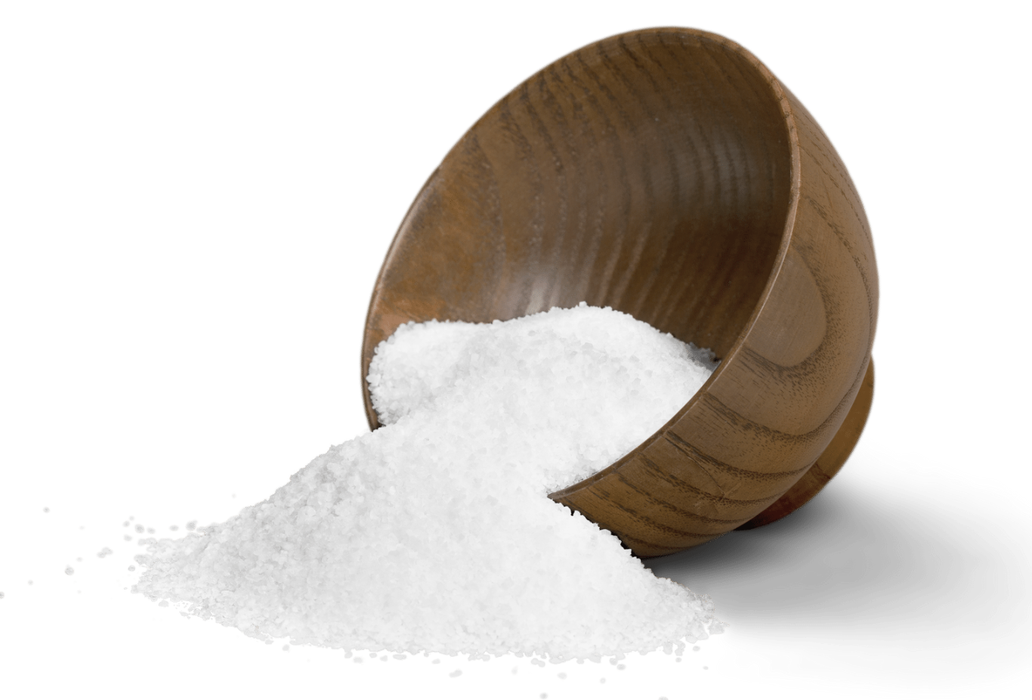
picture of a spilled bowl of saltWhen we think of salt, we often picture a shaker on the dinner table, but most of the sodium we eat doesn’t come from what we add at home. Most of the sodium in our diets comes from packaged and restaurant foods. 

Too much of this macromineral can raise blood pressure, which increases the risk of heart disease, hypertension, and stroke. Just the right amount of it helps to maintain fluid and electrolyte balance, and is critical for nerve transmission and muscle contraction.

Grab your favorite packaged food and look for the Nutrition Facts Label on the back. Here you will find important information such as serving size, calories, fat, protein, and more. Look for the word ‘sodium’ and check out how many milligrams of sodium are in a serving. The Centers for Disease Control and Prevention (CDC) recommends no more than 2300 mg of sodium for an adult. That’s about the same amount as one teaspoon of table salt.

Common hiding spots include meat, cheese, cold cuts, canned soups, sauces, and even foods that don’t taste salty, like breakfast cereals. If you find yourself picking up meals from the drive thru, you might not realize how much extra sodium you’re consuming. While asking for things like “light mayo” or “no bun” might help reduce overall calories, it won’t make much of a difference with the overall sodium content. 

The good news? You can cut back without giving up flavor. Instead of using salt, consider using herbs, spices, vinegar, lemons, or limes to flavor your food. Look for “low-sodium” or “no salt added” labels, rinse canned beans and vegetables before using, and season meals with herbs and spices. Eating at home makes a big difference for both your health and your wallet.

Try this EFNEP spice mix the next time you make quesadillas of omelets and be sure to keep them in an airtight container in a cool dark place. Bon appétit!

Southwest Blend

  • 2 TBSP Chili Powder
  • 2 TBSP Paprika
  • 2 TBSP Cumin